Skip to content
When considering mulch vs. wood chips, the choice often depends on what you want for your garden. Each option serves a different purpose—some gardeners prioritize appearance, while others focus on soil health or ease of upkeep. Understanding how these materials differ can help you decide what best supports your garden’s needs. Now, let’s look at the difference between mulch and wood chips and which option is best for your home and yard.

What Is Mulch?
Mulch is a protective layer you apply to soil to improve the health of your garden. It comes in various types, offering unique benefits like moisture retention and weed suppression. Understanding these standard types and their advantages can help you choose the best mulch for garden.
Common Types of Mulch
Choosing the right mulch can make a noticeable difference in your garden’s performance. Here’s a breakdown of common types to help guide your decision:
- Wood Chips: Slow to break down, wood chips are ideal for pathways and around shrubs and help with moisture and weed control.
- Straw: Lightweight and excellent for vegetable gardens. It helps regulate soil temperature and adds organic matter over time.
- Bark Mulch: Attractive and long-lasting, perfect for flower beds and landscaped areas in modern landscapes of all designs.
- Gravel or Stones: Inorganic, long-lasting, and ideal for arid climates or decorative pathways that need color and texture accents.
- Landscape Fabric: Best used under decorative mulch or gravel to reduce weed growth while allowing moisture through.
Rubber Mulch: Made from recycled tires, it doesn’t decompose and works well in low-maintenance areas like playgrounds.
Benefits of Using Mulch in Your Garden
Mulch covers more than just soil—it supports healthier plants and a more attractive garden. Understanding its key benefits can help you make the most of this essential material.
- Moisture Retention: This helps soil retain moisture by reducing evaporation, which is particularly beneficial during hot and dry weather conditions.
- Weed Suppression: Blocks sunlight, preventing weed seeds from germinating, which reduces the need for frequent weeding in your garden.
- Soil Enrichment: Organic mulches decompose, adding essential nutrients to the soil and improving fertility and overall soil structure for healthier plants.
- Temperature Control: It acts as an insulating layer, maintaining consistent soil temperatures by keeping it cooler in the summer and warmer in the winter.
- Erosion Control: Protects soil from being washed away during heavy rainfall or frequent watering, preserving your garden’s structure and integrity.
- Aesthetic Appeal: Adds a neat, finished appearance to your garden, complementing the overall landscape design and enhancing visual appeal.
- Low Maintenance: Reduces the need for frequent watering, weeding, and soil amendments, making garden upkeep easier and more efficient.
What Are Wood Chips?
Wood chips landscaping uses chipped wood from tree trimming or milling. It’s essential to understand how they’re made and the pros and cons they bring to your garden environment.
How Wood Chips Are Made
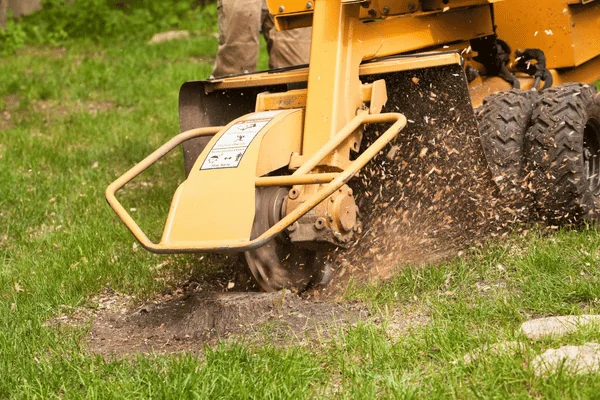
Wood chips are made by processing wood from sources like logging, tree trimming, or furniture production. The collected wood is fed into a wood chipper, which shreds it into small, chunky pieces. Chip size depends on the machine and wood type. After chipping, the material may be dried to reduce moisture and screened for uniformity.
This helps prevent rot and ensures a clean, consistent look in your garden. Wood chips, depending on the source, come in various colors and textures, offering both aesthetic and functional benefits for landscaping and gardening projects.
Pros and Cons of Using Wood Chips
Understanding the benefits and drawbacks of wood chips can help you make the best choice when planning your landscape. Knowing what to expect from each is key in the mulch vs. wood chips debate.
Pros:
- Weed Suppression: Wood chips create a dense layer that blocks sunlight, limiting weed growth.
- Moisture Retention: Helps soil stay moist longer by reducing evaporation.
- Soil Enrichment: As they break down, they add organic matter and improve soil quality over time.
- Natural Look: Offers a rustic and appealing aesthetic in garden spaces.
Cons:
- Pest Concerns: May harbor insects or attract rodents.
- Nitrogen Tie-Up: Fresh chips can deplete nitrogen as they decompose.
- Messy Appearance: Can look unkempt if not well-maintained or refreshed regularly.
Mulch vs. Wood Chips: Key Differences
Appearance, performance, and upkeep vary depending on the material you choose. Here’s a breakdown of the key differences between mulch and wood chips.
Appearance and Texture
Mulch offers a uniform, polished look with various color options, creating a clean finish for garden beds. In contrast, wood chips have a chunkier, more rustic appearance, ideal for natural or informal settings. While wood chips last longer visually, mulch may blend better with formal landscape designs, depending on your style preferences.
Water Retention and Soil Health
Both options support moisture retention, but mulch holds water better and quickly boosts soil microbes. Wood chips break down slowly, improving structure over time. However, their bulk can temporarily hinder water absorption. Overall, both materials enhance the benefits of mulch, but performance depends on your plants’ needs and local conditions.
Longevity and Maintenance
Mulch decomposes faster and needs regular refreshing, especially in high-traffic or rainy areas. Wood chips are longer-lasting and low-maintenance but may attract pests without occasional aeration. If you value durability with less upkeep, wood chips win. For gardeners focused on soil enrichment, mulch might be worth the extra effort. Choose based on priorities.
Mulch vs. Wood Chips- Which Option Is Best for Your Garden?
Choosing between mulch and wood chips for your garden depends on your specific needs, whether you’re focusing on flower beds or vegetable gardens. You’ll also want to evaluate if you prioritize aesthetics or functionality. Let’s explore how each option stacks up for your gardening goals.
Flower Beds vs. Vegetable Gardens
Understanding their unique needs is essential when choosing between flower beds and vegetable gardens. Flower beds are primarily for aesthetics, with vibrant flowers and varying heights designed to enhance your landscape. They require regular maintenance, including deadheading and seasonal planting. Alternatively, vegetable gardens offer the practical benefit of fresh produce right from your backyard.
Growing your own food can be deeply rewarding, but these gardens need careful planning for crop rotation, pest management, and soil health. The choice depends on your available space, sunlight, and maintenance commitment. Consider a mixed approach or focus on one area that suits your lifestyle for a balance. Ultimately, it’s about enjoying the process of gardening, whether for beauty or functionality.
Aesthetic vs. Functional Priorities
Balancing aesthetic and functional priorities in your garden can impact how you enjoy it. If visual appeal is your primary goal, wood chips add texture and a natural charm to your landscape. They come in different colors and sizes, helping customize your garden’s look. On the other hand, if your focus is functionality, mulch can be a better choice. It suppresses weeds, retains moisture, and improves soil quality as it decomposes.
This particularly benefits vegetable gardens or flower beds where plant health is crucial. Mulch can provide long-term benefits if you’re looking for the best mulch for your garden. You can also combine both materials to achieve a harmonious blend of beauty and practicality in your outdoor space.
Final Thoughts on Mulch and Wood Chip Options

Making a choice for mulch vs. wood chips comes down to your garden’s needs and your style. Mulch is the way to go if you want to enrich your soil and keep weeds at bay. But if you’re looking for a low-maintenance option that adds texture, wood chips might be your best bet.
Whatever you choose, both can enhance your garden’s beauty and health, so decide based on what works for you! Which option is right for your yard? Our team can help you better understand the difference between mulch and wood chips and find the option best suited for your unique needs.
Frequently Asked Questions
1. Can I Use Both Mulch and Wood Chips Together?
Yes, you can use both mulch and wood chips together. They complement each other well, providing benefits like moisture retention and weed suppression. Just make sure to layer them appropriately for the best results in your garden.
2. How Often Should I Replace Mulch or Wood Chips?
Depending on weather conditions and decomposition rates, you should replace mulch or wood chips every 6 to 12 months. Also, regularly check for compaction and loss of color to ensure your garden remains healthy and vibrant.
3. Do Mulch and Wood Chips Attract Pests?
Yes, mulch and wood chips can attract pests, especially if they decompose or retain moisture. To minimize potential pest issues in your garden, regularly check for signs of insects and maintain them properly.
4. Are There Specific Plants That Prefer Mulch Over Wood Chips?
Certain plants thrive better with mulch, like perennials, and acid-loving plants such as blueberries. Mulch retains moisture and regulates temperature, creating ideal conditions for these plants, while wood chips can sometimes inhibit growth.
5. How Do I Apply Mulch or Wood Chips Correctly?
To apply mulch or wood chips correctly, first clear the area of weeds. Then, spread a 2-4 inch layer around your plants, leaving space near the stems to prevent rot. Water thoroughly afterward.