Skip to content
Land clearing costs in the South Shore can vary widely based on property size, tree density, and site conditions. A simple clearing job may be relatively inexpensive, while heavily wooded or difficult-to-access land can increase costs quickly.
This guide explains what goes into that pricing and how to plan your project more accurately.
What Homeowners in the South Shore Are Paying to Clear Land in 2026

In the South Shore, light clearing typically ranges from $1,500–$4,000 per acre, while moderate clearing ranges from $4,000–$8,500 per acre. Heavily wooded properties can reach $8,500–$20,000 or more per acre, depending on conditions.
The cost for land clearing in this area tends to run higher than national averages due to labor, fuel, and disposal fees, often increasing overall pricing by about 15–25%. On a smaller scale, homeowners may see rates between $0.50–$2.50 per square foot.
These figures reflect current conditions in Plymouth County and nearby communities. They provide a realistic starting point, but final pricing will always depend on your specific property.
Quick-Glance Price Ranges by Project Type
- Brush and shrub clearing only: $500–$2,500
- Light lot clearing with sparse trees: $1,500–$5,000
- Moderate woodland clearing: $5,000–$15,000
- Full site preparation with grading and stump removal: $10,000–$35,000+
The Biggest Factors That Drive Your Land Clearing Quote

Land clearing costs vary because no two properties are the same. The final price depends on how much needs to be removed and how difficult the site is to work on.
A few key factors determine that: lot size, tree density, terrain, accessibility, and soil conditions. Each one affects how long the job takes and what equipment is required, which is what ultimately drives the cost.
Lot Size, Tree Density, and Terrain
Lot size, tree density, and terrain all work together to determine how long a clearing project takes. Larger properties are usually more efficient to clear on a per-acre basis, while smaller or segmented lots can require more setup and repositioning.
Terrain also plays a role. Sloped or rocky areas—common in parts of the South Shore—slow down equipment and can add $1,500–$4,000 to a project.
Tree density matters just as much. Light brush can be cleared quickly, but dense hardwoods like oak or maple require more time, heavier equipment, and additional hauling, which increases the total cost.
Accessibility and Equipment Access
Access to the property has a direct impact on cost. If large equipment can get in easily, the job moves faster. If access is tight, narrow driveways, limited entry points, or obstacles, the work takes longer. When contractors have to use smaller equipment or more manual labor, the timeline increases, and so does the price.
Soil Conditions and Hidden Obstacles
Soil conditions can quickly change a project. Ledge rock, often found in the South Shore area, may require specialized equipment or additional work, adding $2,000–$8,000 or more.
Additional hidden obstacles like buried debris, old structures, or underground utilities can also increase the cost. This is why a site visit is important before accepting any estimate. Phone quotes rarely reflect the true land clearing cost for a property.
Breaking Down Every Line Item in a Land Clearing Estimate
A detailed estimate shows exactly where your money is going. Most land clearing projects are made up of a few core cost components:
- Tree removal: $150–$1,500 per tree, depending on size and location
- Stump removal: $75–$400 for grinding, or $200–$600+ for full root removal
- Brush clearing and chipping: $500–$2,500 for a standard lot
- Debris hauling and disposal: $300–$1,200 based on volume
- Grading and site prep: $1,000–$5,000+ depending on scope
- Permits: $50–$500+ depending on local requirements
- Erosion control measures: $200–$800 if required
Not every project includes all of these, but most estimates will be built from some combination of them.
South Shore Permits, Wetlands Rules, and Tree Laws You Must Know Before Breaking Ground
In many South Shore communities, land clearing services may require approval before work can begin. Projects near wetlands often fall under the Wetlands Protection Act, which means review by a local Conservation Commission.
Some towns also have tree removal restrictions based on size, along with additional rules for properties along designated scenic roads. These requirements vary by municipality, but they can affect both the scope and timing of your project.
Because of this, approval timelines can add several weeks to the process. Planning ahead is important, and moving forward without the proper permits can lead to delays, fines, and stop-work orders.
How to Check Permit Requirements Before You Hire
Before starting a land clearing project, take a few minutes to confirm what’s required locally. A quick check upfront can save you delays later.
- Check with your local building department or conservation office to see if permits are required
- Review your property maps for wetlands, protected areas, or setback restrictions
- Ask your contractor who handles permits, some include it, others expect you to manage it
- Plan for added costs if needed: permit support or consulting can range from $500–$2,500+
Getting clarity on land cleaning permits early helps keep your project on schedule and avoids unexpected issues once work is supposed to begin.
How the Clearing Process Actually Works from Site Visit to Final Grading
Knowing what happens during a land clearing project helps you plan for timing, access, and overall expectations. While every property is different, most projects follow the same general sequence:
- Utility marking: Underground lines are identified before any work begins
- Boundary marking: Property lines are confirmed to avoid clearing beyond the scope
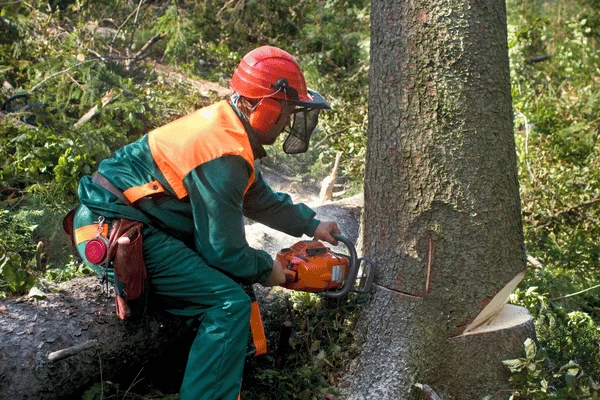
- Tree removal: Larger trees are cut and sectioned using appropriate equipment
- Brush clearing: Smaller vegetation and undergrowth are removed
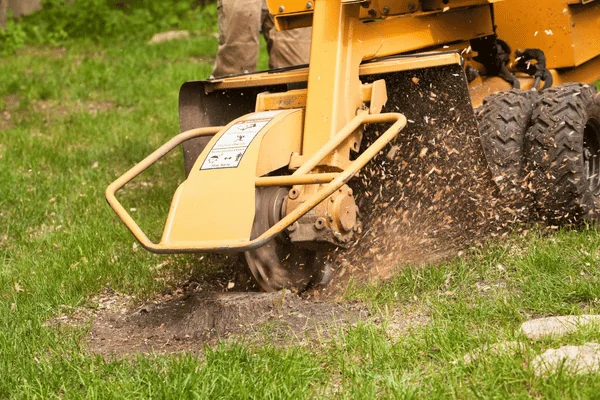
- Stump removal: Stumps are either ground down or fully removed, depending on the plan
- Debris handling: Material is chipped, hauled away, or processed based on site conditions and local requirements
- Grading (if included): The surface is leveled and prepared for the next phase of the project
Each step adds time to the project, and that time is what ultimately drives the total cost.
Cost-Saving Strategies That Still Make Sense
There are ways to reduce land clearing costs without creating problems later. The key is saving on efficiency, not cutting corners.
- Use forestry mulching when possible: It eliminates hauling and disposal costs by processing material on site
- Schedule during slower seasons: Contractors may have more availability and more flexible pricing
- Get multiple detailed quotes: This helps you compare scope, not just price
- Leave usable timber on site or sell it: In some cases, it can offset part of the cost
- Handle light cleanup yourself: Removing small debris or finishing touches can reduce labor time
What Not to Cut to Save Money
Some shortcuts end up costing more in the long run.
- Skipping site evaluations: This leads to inaccurate quotes and surprises once work starts
- Hiring inexperienced operators: Poor clearing can damage the site and require expensive corrections
- Ignoring permits or regulations: This can stop the project entirely and result in fines
- Underbudgeting for unknowns: Rocks, buried debris, and soil issues are common and need to be accounted for
Saving money is about making the right tradeoffs, not skipping the steps that protect the project.
Get a Clear Plan Before You Start Clearing

Land clearing costs can vary a lot from one property to the next, but the difference usually comes down to site conditions, access, and how much material needs to be removed. The only way to get an accurate number is to have the property evaluated in person.
Shore Tree Services works with homeowners across the South Shore to assess site conditions, explain what’s involved, and provide clear, detailed estimates before any work begins. Whether you’re clearing a small lot or preparing a larger property for construction, the goal is to give you a plan that makes sense from both a cost and timeline standpoint.
If you’re considering a land clearing project, reach out to schedule a site visit and get a realistic breakdown of what your property will require.
FAQ: Real Questions Homeowners Ask About Land Clearing Costs
1. How much does it cost to clear a half-acre wooded lot in the South Shore?
Costs vary based on density, terrain, and access, but wooded lots typically fall within moderate to higher pricing ranges.
2. Do I need a permit to clear land in Massachusetts?
Yes, permits may be required, especially near wetlands or for tree removal in certain areas.
3. How long does land clearing take?
Project timelines depend on size, conditions, and scope, but most residential jobs are completed within a few days to a few weeks.
4. Is forestry mulching cheaper than traditional land clearing?
In many cases, forestry mulching can reduce costs by limiting hauling and disposal needs.
5. Can I clear land myself to save money?
While possible, it often requires equipment, permits, and experience. Hiring professionals is usually more efficient and safer.
6. What hidden costs should I budget for in the South Shore?
Unexpected conditions like rock, buried debris, or permit requirements can increase the final land clearing cost. Planning ahead helps reduce surprises.