Skip to content
Before grabbing a chainsaw, it’s crucial to know what you’re doing. Tree removal how-to starts with checking the tree’s condition, planning your cut, and using the right gear. Skipping steps can lead to damage or injury. Our guide walks you through each part clearly, so you stay safe and get the job done right.
Safety First – Preparing for Tree Removal
Before cutting begins, proper preparation is key. Clearing the area, checking equipment, and wearing protective gear helps prevent accidents and ensure a safer tree removal experience.

Essential safety gear (helmet, gloves, goggles, boots)
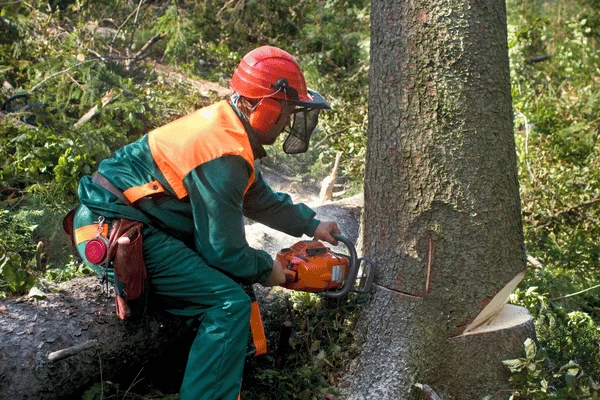
When tackling tree removal Qunicy, MA, investing in essential safety gear is crucial for your protection. Start with a sturdy helmet to guard against falling branches, and wear gloves to protect your hands during the tree removal process. Goggles shield your eyes from debris, while durable boots provide traction and ankle support. By prioritizing safety gear, you’ll effectively learn how to remove trees with confidence.
Inspecting the tree and surroundings
Inspecting the tree and its surroundings is essential to guarantee a safe removal process. Look for signs of decay, disease, or damage on the trunk and branches. Check the ground for roots and obstructions, ensuring you’re aware of any nearby structures. Assess the area’s slope and any potential hazards like loose rocks or unstable soil. This preparation helps prevent accidents during removal.
Checking for power lines and property risks
Often overlooked, checking for power lines and property risks is essential before starting your tree removal. Look up to identify any overhead power lines and maintain a safe distance. Also, assess your property boundaries and nearby structures to guarantee the tree won’t fall on them. Taking these precautions helps prevent accidents and keeps you and your property safe during the removal process.
Step-by-Step Tree Removal Process
Tree removal how to involves more than just cutting. It’s a sequence of planned actions. This section walks you through each step to help you manage the process with confidence and control.
1. Clear the Area Around the Tree
Before starting, remove furniture, tools, and debris near the tree. Trim low branches and ensure enough space to move safely. A clear work zone reduces risks and helps you handle equipment more efficiently.
2. Plan the Direction of the Fall
Evaluate the tree’s lean, health, and nearby obstacles like buildings or power lines. Choose a clear, open path for the tree to fall. Planning ahead ensures a safer, more controlled removal from start to finish.
3. Make the Notch Cut
Stand on the side where you want the tree to fall. Use a chainsaw to make a 70 degree angled cut one third into the trunk, then a horizontal cut to form a notch. This guides the fall.
4. Make the Felling Cut
Position your saw just above the notch’s base and cut horizontally toward it. Keep your angle steady and monitor the tree’s movement. This final cut releases the tree, so stay focused and ready to retreat.
5. Move to Safety as the Tree Falls
As the tree begins to fall, step back quickly at a 45 degree angle from the fall line. Stay alert for shifting branches or debris. Watch the tree settle fully before approaching the area again.
6. Limbing and Cutting the Trunk into Sections
Once safe, begin limbing from the bottom up using a chainsaw. After removing branches, mark the trunk into 16-20 inch sections. Cut carefully, ensuring each piece drops away from your position safely.
How to Remove Trees Safely (DIY Considerations)
DIY tree removal can be risky without the proper knowledge, tools, and precautions. Understanding how to approach it safely helps homeowners avoid injury, property damage, and costly mistakes during the process.
Best situations for DIY tree removal (small trees, no nearby hazards)
For many homeowners, tackling small trees in the yard can be a rewarding DIY project, especially when there are no nearby hazards to worry about. If the tree is under 10 feet tall and surrounded by open space, you can proceed with confidence. Ensure that you assess the tree’s health and plan your approach to ensure a safe and efficient removal process.
Tools you’ll need (chainsaw, wedges, ropes)
You’ll need the right tools to remove a tree safely, and a few essential items can make all the difference. A chainsaw is vital for cutting through the trunk efficiently. Wedges help guide the tree’s fall and prevent pinching your saw. Finally, sturdy ropes can help direct the tree’s fall and secure it during the removal process. Always prioritize safety!
Risks of attempting large or dangerous tree removals
Removing a large or dangerous tree can feel like standing at the edge of a cliff one misstep can lead to serious consequences. You risk injury from falling branches or the tree itself, and property damage is a genuine concern if it falls unexpectedly. Without proper training, equipment, and safety measures, you’re exposing yourself to hazards that can quickly escalate into emergencies.
When to Hire a Tree Removal Service
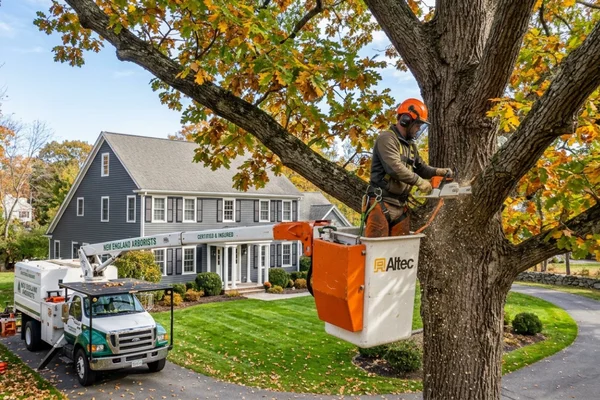
Some trees are too large, risky, or complex to handle alone. Learn when it’s smarter and safer to call in professionals for tree removal Quincy, MA with the right tools, experience, and knowledge of tree removal how to.
Large trees close to structures
Large trees near homes can damage foundations or cause injury from falling branches. If you notice leaning or decay, consider professional tree removal service before risks escalate.
Trees near power lines
Trees touching or leaning toward power lines can spark outages, fires, or electrocution. Hiring professionals ensures safe trimming or removal while protecting both you and the utility lines.
Diseased or rotting trees
Rotting or diseased trees with falling bark, dead branches, or fungus pose hazards. Don’t wait. Have a professional assess and remove them to keep your property safe.
Local note: “For homeowners in Quincy, professional tree removal services ensure the job is done safely and efficiently
Cleanup and Disposal After Tree Removal

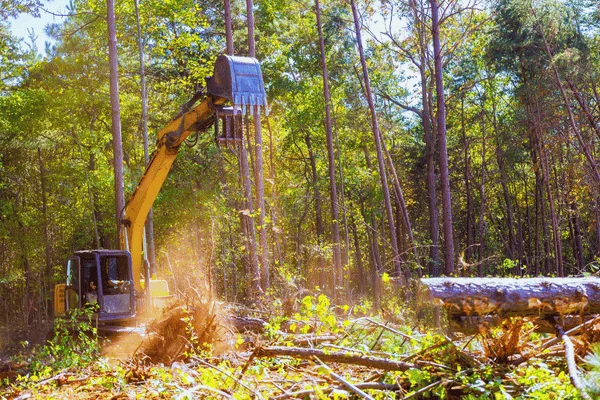
Tree removal doesn’t end when the trunk hits the ground. Proper cleanup and disposal, like handling branches, stumps, and debris, are essential for restoring your yard and keeping the space safe and usable.
Removing Branches and Debris
Cut branches into manageable pieces using pruning shears or other suitable tools. Pile debris for disposal, mulch, or burning (if allowed). Yard waste facilities also accept tree remains for safe, eco-friendly removal.
Options for Stump Grinding
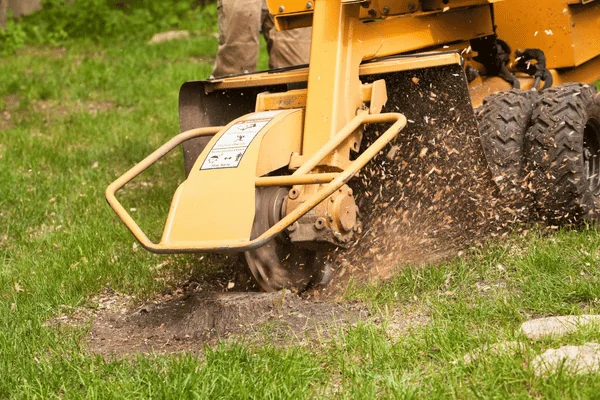
Hire pros or rent a grinder to remove stumps. Always wear protective gear and follow safety steps. The leftover wood chips can be reused for landscaping or hauled away.
Recycling or Repurposing Wood
Turn the removed tree wood into firewood, mulch, or DIY furniture. Check local recycling programs for drop-off options. Repurposing helps reduce waste and gives your tree a second life.
FAQs – Tree Removal How-To
When it comes to tree removal, many homeowners have questions about the best practices and safety measures involved.
What’s the average cost of tree removal in Quincy?
Tree removal in Quincy typically costs between $200 and $1,500. The final price depends on the tree’s size, location, and condition. Larger or hazardous trees require more labor and equipment, which increases the cost. Always get multiple quotes to compare services and ensure fair pricing.
Can I remove a tree without professional help?
DIY tree removal is possible for small trees in open areas, but it’s risky. You’ll need proper tools, safety gear, and a clear understanding of the tree’s structure. Larger trees or those near buildings should be handled by professionals to avoid injury or property damage.
What safety precautions should I take before cutting a tree?
Wear protective gear—gloves, goggles, and a hard hat. Check the tree’s lean, clear your escape route, and inspect for nearby hazards like power lines. Use sharp, well-maintained tools and never work alone. Communication and awareness are key to staying safe.
Do I need a permit for tree removal in Quincy?
Permit requirements vary based on tree size, species, and location. Contact Quincy’s zoning office or check their website before starting. Removing a tree without proper approval can lead to fines or delays, so it’s best to confirm regulations in advance.
What happens to the stump after tree removal?
After removal, you can leave the stump, grind it down, or dig it out. Grinding is popular—it’s quick and leaves behind a mulch. Your choice depends on budget, landscaping plans, and how you want your yard to look long-term.
Tree Removal Hot-To – Final Thoughts
Wrapping up your tree removal project means making smart choices about the stump and your overall landscape. Whether you grind it down, remove it completely, or repurpose it creatively, think about how it fits your long-term yard plans. A well-managed finish not only improves safety and appearance but also sets the stage for future landscaping. With thoughtful cleanup and stump handling, you protect your property’s value and create a space that’s both functional and inviting. Tree removal isn’t just about cutting. It’s about restoring your outdoor area with care and intention.
Need Safe Tree Removal Company near you? Contact Us Today!
DIY tree removal can be risky without the proper knowledge, tools, and precautions. Understanding how to approach it safely helps homeowners avoid injury, property damage, and costly mistakes during the process.
Best situations for DIY tree removal (small trees, no nearby hazards)
For many homeowners, tackling small trees in the yard can be a rewarding DIY project, especially when there are no nearby hazards to worry about. If the tree is under 10 feet tall and surrounded by open space, you can proceed with confidence. Ensure that you assess the tree’s health and plan your approach to ensure a safe and efficient removal process.
Tools you’ll need (chainsaw, wedges, ropes)
You’ll need the right tools to remove a tree safely, and a few essential items can make all the difference. A chainsaw is vital for cutting through the trunk efficiently. Wedges help guide the tree’s fall and prevent pinching your saw. Finally, sturdy ropes can help direct the tree’s fall and secure it during the removal process. Always prioritize safety!
Risks of attempting large or dangerous tree removals
Removing a large or dangerous tree can feel like standing at the edge of a cliff one misstep can lead to serious consequences. You risk injury from falling branches or the tree itself, and property damage is a genuine concern if it falls unexpectedly. Without proper training, equipment, and safety measures, you’re exposing yourself to hazards that can quickly escalate into emergencies.
When to Hire a Tree Removal Service
Some trees are too large, risky, or complex to handle alone. Learn when it’s smarter and safer to call in professionals for tree removal Quincy, MA with the right tools, experience, and knowledge of tree removal how to.
Large trees close to structures
Large trees near homes can damage foundations or cause injury from falling branches. If you notice leaning or decay, consider professional tree removal service before risks escalate.
Trees near power lines
Trees touching or leaning toward power lines can spark outages, fires, or electrocution. Hiring professionals ensures safe trimming or removal while protecting both you and the utility lines.
Diseased or rotting trees
Rotting or diseased trees with falling bark, dead branches, or fungus pose hazards. Don’t wait. Have a professional assess and remove them to keep your property safe.
Local note: “For homeowners in Quincy, professional tree removal services ensure the job is done safely and efficiently
Cleanup and Disposal After Tree Removal
Tree removal doesn’t end when the trunk hits the ground. Proper cleanup and disposal, like handling branches, stumps, and debris, are essential for restoring your yard and keeping the space safe and usable.
Removing Branches and Debris
Cut branches into manageable pieces using pruning shears or other suitable tools. Pile debris for disposal, mulch, or burning (if allowed). Yard waste facilities also accept tree remains for safe, eco-friendly removal.
Options for Stump Grinding
Hire pros or rent a grinder to remove stumps. Always wear protective gear and follow safety steps. The leftover wood chips can be reused for landscaping or hauled away.
Recycling or Repurposing Wood
Turn the removed tree wood into firewood, mulch, or DIY furniture. Check local recycling programs for drop-off options. Repurposing helps reduce waste and gives your tree a second life.
FAQs – Tree Removal How-To
When it comes to tree removal, many homeowners have questions about the best practices and safety measures involved.
What’s the average cost of tree removal in Quincy?
Tree removal in Quincy typically costs between $200 and $1,500. The final price depends on the tree’s size, location, and condition. Larger or hazardous trees require more labor and equipment, which increases the cost. Always get multiple quotes to compare services and ensure fair pricing.
Can I remove a tree without professional help?
DIY tree removal is possible for small trees in open areas, but it’s risky. You’ll need proper tools, safety gear, and a clear understanding of the tree’s structure. Larger trees or those near buildings should be handled by professionals to avoid injury or property damage.
What safety precautions should I take before cutting a tree?
Wear protective gear—gloves, goggles, and a hard hat. Check the tree’s lean, clear your escape route, and inspect for nearby hazards like power lines. Use sharp, well-maintained tools and never work alone. Communication and awareness are key to staying safe.
Do I need a permit for tree removal in Quincy?
Permit requirements vary based on tree size, species, and location. Contact Quincy’s zoning office or check their website before starting. Removing a tree without proper approval can lead to fines or delays, so it’s best to confirm regulations in advance.
What happens to the stump after tree removal?
After removal, you can leave the stump, grind it down, or dig it out. Grinding is popular—it’s quick and leaves behind a mulch. Your choice depends on budget, landscaping plans, and how you want your yard to look long-term.
Tree Removal Hot-To – Final Thoughts
Wrapping up your tree removal project means making smart choices about the stump and your overall landscape. Whether you grind it down, remove it completely, or repurpose it creatively, think about how it fits your long-term yard plans. A well-managed finish not only improves safety and appearance but also sets the stage for future landscaping. With thoughtful cleanup and stump handling, you protect your property’s value and create a space that’s both functional and inviting. Tree removal isn’t just about cutting. It’s about restoring your outdoor area with care and intention.
Need Safe Tree Removal Company near you? Contact Us Today!