Skip to content
When a tree falls on your Massachusetts property, knowing the fallen tree removal cost helps you prepare for the process. Several factors, such as size, location, and accessibility, can influence the price you pay. Beyond the basic fee, unexpected expenses may arise. Understanding these considerations ensures you’re ready for the full scope of potential costs.
The cost to remove fallen tree limbs and trunks depends on the tree size and location. Homeowners often search “how much to remove a fallen tree” after bad weather. A local fallen tree removal service can help. For tree removal in Massachusetts, professionals efficiently remove a fallen tree on your property.
Here’s what you need to know:
Why Fallen Tree Removal Is Urgent and Necessary
When a tree falls, it can create serious safety risks and property damage, making quick removal essential. Fallen trees may block access, damage vehicles, or injure someone if left unattended. A fallen tree removal service can assess the situation and provide a quote, giving you a clear idea of the cost of removing the fallen tree.

If you’re dealing with storm damage, you might ask how much to remove a fallen tree. A professional fallen tree removal service can assess the damage. For tree removal in Massachusetts, prices differ by location. To remove a fallen tree on your property, it’s best to act quickly and safely, even if fallen tree removal cost is an initial concern.
In Massachusetts, unpredictable weather can worsen conditions, so acting promptly is crucial. Contacting tree removal companies ensures safety, restores your property, and prevents costly complications that can arise from delays.
Average Fallen Tree Removal Cost in Massachusetts
Tree removal costs in Massachusetts vary widely. Learn what homeowners typically pay and what influences pricing for fallen trees.
General Price Range
Fallen tree removal in Massachusetts typically ranges from $200 to $1,000, depending on the tree’s size, location, and job complexity. Small trees under 30 feet cost less, while large or hard to reach trees increase prices. Always compare multiple quotes to ensure fair pricing and avoid unexpected additional fees.
Downed Tree vs. Standing Tree Removal Costs
Fallen tree removal in Massachusetts typically ranges from $200 to $1,000, with downed tree removal costs averaging $100 to $500. Standing trees can cost up to $1,500 due to added safety precautions.
Factors like size, location, accessibility, and nearby structures influence the final price. Hiring professionals ensures safety, prevents property damage, and helps avoid future expenses from delayed or improper removal.
Factors That Affect Fallen Tree Removal Cost
Tree size, location, and complexity all impact removal cost. Understanding these factors helps you budget and avoid surprise fees.
Tree Size and Type
Tree size and type have a significant impact on removal costs. Larger trees with thick trunks or extensive root systems require more labor and equipment, raising expenses. Hardwoods like oak are harder to cut than softwoods like pine. Knowing these factors helps you estimate how much to remove a fallen tree and plan accordingly.
Location and Accessibility
A tree’s location impacts removal costs. Hard to reach areas, steep slopes, or locations near power lines require extra precautions and specialized equipment, which increases the price. Urban areas may present additional regulatory challenges, while open, easily accessible spaces tend to be less expensive. Understanding how access affects cost helps you prepare for the removal process efficiently.
Equipment and Crew Needed
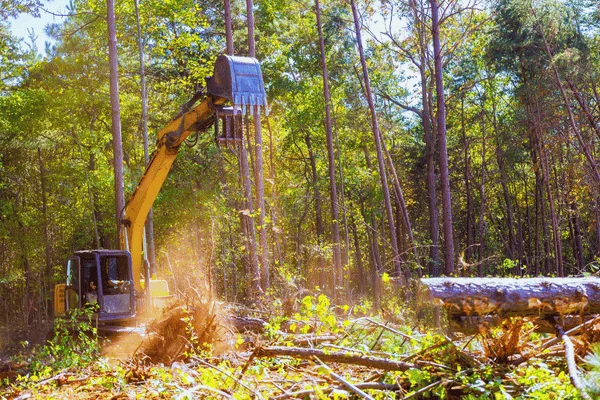
The number of crew members and the type of equipment required can influence a fallen tree removal cost. Large trees often need cranes, chippers, and stump grinders to ensure safe and efficient handling. More complex jobs require larger teams, which in turn raises expenses. Planning for professional help guarantees safety and avoids costly complications during tree removal.
Emergency Services or Storm Damage Response
Emergency tree removals after storms typically cost more due to urgency and higher risk. Trees blocking driveways, damaging property, or entangled in power lines demand immediate attention. After hours or hazardous conditions may incur additional fees. Acting quickly with a reputable service ensures safety, prevents further damage, and reduces future expenses overall.
Additional Costs to Consider
Beyond basic removal, expect extra charges for stump grinding, permits, hauling, and emergency service each can raise your total bill. These are key points considered in fallen tree removal cost estimates.
Hauling and Debris Disposal
Once a tree is removed, the cleanup begins. Hauling branches and trunk sections can involve extra labor or disposal fees. Some tree removal services include debris removal, while others charge separately, especially for large volumes. Clarifying what’s covered upfront helps you anticipate the cost of fallen tree removal and avoid unexpected expenses.
Stump Removal or Grinding
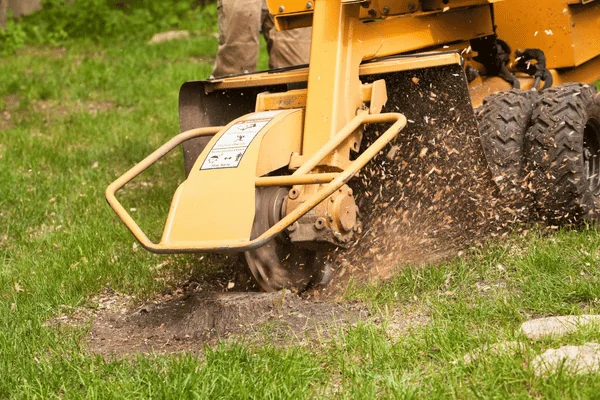
After debris is cleared, the remaining stump requires attention. Grinding is faster and less expensive, while complete removal is more labor intensive. Prices vary by stump size and accessibility. Choosing the correct method depends on your landscaping plans and budget; considering stump options early prevents unexpected costs later.
Property Damage Repairs
Fallen trees can damage roofs, fences, or landscaping, resulting in repair costs that often exceed the cost of removal. Uprooted plants, cracked pathways, and potential structural issues may require immediate attention. Assessing the full extent of damage early helps prevent further problems and ensures proper restoration. Factoring in repair expenses keeps your total budget realistic.
Permit Fees
Some Massachusetts towns require permits for tree removal, especially near public property or for protected species. Fees can range from $10 to over $100 depending on local regulations. Confirming permit requirements before scheduling removal helps avoid delays and extra fines, ensuring your project stays compliant and progresses smoothly.
Is Fallen Tree Removal Covered by Home Insurance?
Knowing if your home insurance covers fallen tree removal can prevent unexpected costs. Most policies include coverage for damage caused by a falling tree due to a storm or another insured peril. However, dead or leaning trees typically aren’t covered.
Review your policy or consult your insurance agent to confirm details and any payout limits. Understanding your coverage ensures you’re prepared and avoids surprises when managing a fallen tree on your property.
How to Choose a Fallen Tree Removal Service
Choosing the right tree removal company involves verifying credentials, reading reviews, and assessing response times. Safety, reliability, and experience should guide your decision, not simply the overall fallen tree removal cost you are quoted.
Hiring Certified Arborists Vs. Handymen
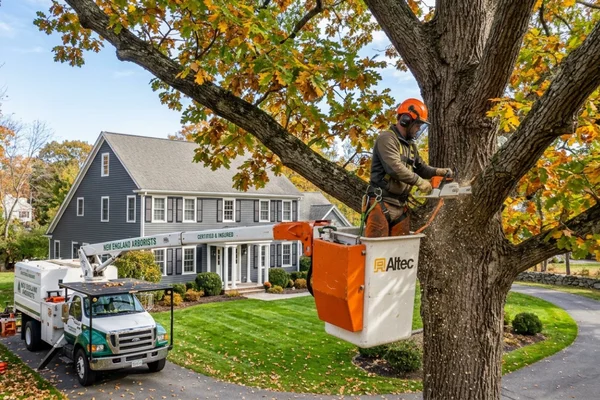
Certified arborists are trained in tree biology and safe removal techniques, making them ideal for complex or hazardous jobs. Handymen may offer lower rates and handle simple tasks, but they often lack the expertise and necessary equipment for complex and hazardous removals. For safety and precision, certified arborists are the better choice in most cases.
Licensing, Insurance, And Credentials
Before hiring a tree removal company, verify that the provider holds proper state licenses and carries liability and workers’ compensation insurance. These protect you from property damage or injury claims. Also, check for credentials from groups like the ISA, which signal professional training and adherence to industry standards. These safeguards ensure you’re working with a qualified team.
Reading Reviews And Checking Response Times
Look for reviews on platforms like Google or Yelp to assess the reliability and professionalism of the service. Prioritize companies praised for fast response times, especially in emergencies. Consistent delays or poor communication are red flags. A responsive, well reviewed tree service can make all the difference when choosing a fallen tree removal service after storm damage.
Fallen Tree Removal Cost Estimates in Massachusetts Towns

The cost of fallen tree removal in Massachusetts varies depending on the tree’s size, location, and accessibility. Smaller trees typically range from $250 to $500, while large or complex removals can cost up to $1,500.
Urban towns like Boston or Cambridge typically have higher rates, whereas rural areas may have lower rates. Additional services, such as stump grinding or debris hauling, can increase total expenses. Always request multiple quotes to compare pricing and ensure fair value.
DIY vs. Hiring a Pro: Is It Worth It?
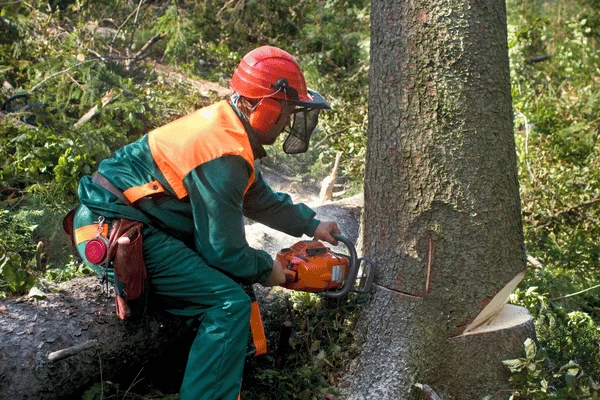
Choosing between DIY tree removal and hiring a tree removal company depends on your skills, tools, and the size of the tree. Small trees might be manageable, but larger ones involve serious safety risks, especially near power lines or unstable ground.
Professionals offer experience, proper equipment, and efficiency, reducing the chance of injuries or property damage. While hiring a professional tree removal costs more upfront, the safety and peace of mind often outweigh the expense.
FAQs About Fallen Tree Removal
Many homeowners have questions about fallen tree removal, and it’s understandable given the complexities involved.
How much does it cost to remove a tree that fell on my house?
Tree removal from a house typically costs between $500 and $1,500, depending on the size, location, and severity of the damage. Emergency or hard to reach jobs may incur higher costs. Additional expenses can arise if structural repairs are needed. Always obtain multiple quotes and act promptly to safeguard your home and ensure your safety.
Who pays if my neighbor’s tree falls on my property?
Responsibility depends on the tree’s condition. If a healthy tree falls due to natural causes, you usually handle cleanup and repairs. If the tree was dead or hazardous, your neighbor may be liable. Document everything, notify your neighbor, and check your insurance policy for coverage and next steps.
How long does tree removal take?
Tree removal can take anywhere from a couple of hours to a full day, depending on size, location, and accessibility. Larger trees or those near power lines require more time and precautions. Cleanup and debris disposal can also extend the process, especially after storm damage or complex conditions.
What should I do immediately after a tree falls?
First, ensure everyone’s safety and check for injuries. Stay clear of the tree, especially if power lines are involved, and call your utility company if needed. Document the scene for insurance purposes. Avoid DIY removal contact a professional tree service to handle the situation safely and efficiently.
Need Fast, Safe Tree Removal in Massachusetts?
Storms can leave dangerous debris behind, making quick action essential. For expert help with hazardous trees, choose a trusted provider of tree removal that Massachusetts residents rely on. Certified crews utilize specialized equipment to safely remove trees, even near power lines or structures. A fast response and proper care protect your property and restore peace of mind, even while helping you plan for the costs associated with fallen tree removal.
Final Thoughts on Fallen Tree Removal
Understanding the costs of fallen tree removal in Massachusetts helps you make informed decisions. Whether it’s for safety or property protection, timely removal is essential. Keep in mind the various factors that affect pricing, and don’t forget to check your home insurance policy for coverage.
Contact a local certified arborist today for emergency fallen tree removal or a free estimate. Protect your home and property with expert help.
Knowing if your home insurance covers fallen tree removal can prevent unexpected costs. Most policies include coverage for damage caused by a falling tree due to a storm or another insured peril. However, dead or leaning trees typically aren’t covered.
Review your policy or consult your insurance agent to confirm details and any payout limits. Understanding your coverage ensures you’re prepared and avoids surprises when managing a fallen tree on your property.
How to Choose a Fallen Tree Removal Service
Choosing the right tree removal company involves verifying credentials, reading reviews, and assessing response times. Safety, reliability, and experience should guide your decision, not simply the overall fallen tree removal cost you are quoted.
Hiring Certified Arborists Vs. Handymen
Certified arborists are trained in tree biology and safe removal techniques, making them ideal for complex or hazardous jobs. Handymen may offer lower rates and handle simple tasks, but they often lack the expertise and necessary equipment for complex and hazardous removals. For safety and precision, certified arborists are the better choice in most cases.
Licensing, Insurance, And Credentials
Before hiring a tree removal company, verify that the provider holds proper state licenses and carries liability and workers’ compensation insurance. These protect you from property damage or injury claims. Also, check for credentials from groups like the ISA, which signal professional training and adherence to industry standards. These safeguards ensure you’re working with a qualified team.
Reading Reviews And Checking Response Times
Look for reviews on platforms like Google or Yelp to assess the reliability and professionalism of the service. Prioritize companies praised for fast response times, especially in emergencies. Consistent delays or poor communication are red flags. A responsive, well reviewed tree service can make all the difference when choosing a fallen tree removal service after storm damage.
Fallen Tree Removal Cost Estimates in Massachusetts Towns
The cost of fallen tree removal in Massachusetts varies depending on the tree’s size, location, and accessibility. Smaller trees typically range from $250 to $500, while large or complex removals can cost up to $1,500.
Urban towns like Boston or Cambridge typically have higher rates, whereas rural areas may have lower rates. Additional services, such as stump grinding or debris hauling, can increase total expenses. Always request multiple quotes to compare pricing and ensure fair value.
DIY vs. Hiring a Pro: Is It Worth It?
Choosing between DIY tree removal and hiring a tree removal company depends on your skills, tools, and the size of the tree. Small trees might be manageable, but larger ones involve serious safety risks, especially near power lines or unstable ground.
Professionals offer experience, proper equipment, and efficiency, reducing the chance of injuries or property damage. While hiring a professional tree removal costs more upfront, the safety and peace of mind often outweigh the expense.
FAQs About Fallen Tree Removal
Many homeowners have questions about fallen tree removal, and it’s understandable given the complexities involved.
How much does it cost to remove a tree that fell on my house?
Tree removal from a house typically costs between $500 and $1,500, depending on the size, location, and severity of the damage. Emergency or hard to reach jobs may incur higher costs. Additional expenses can arise if structural repairs are needed. Always obtain multiple quotes and act promptly to safeguard your home and ensure your safety.
Who pays if my neighbor’s tree falls on my property?
Responsibility depends on the tree’s condition. If a healthy tree falls due to natural causes, you usually handle cleanup and repairs. If the tree was dead or hazardous, your neighbor may be liable. Document everything, notify your neighbor, and check your insurance policy for coverage and next steps.
How long does tree removal take?
Tree removal can take anywhere from a couple of hours to a full day, depending on size, location, and accessibility. Larger trees or those near power lines require more time and precautions. Cleanup and debris disposal can also extend the process, especially after storm damage or complex conditions.
What should I do immediately after a tree falls?
First, ensure everyone’s safety and check for injuries. Stay clear of the tree, especially if power lines are involved, and call your utility company if needed. Document the scene for insurance purposes. Avoid DIY removal contact a professional tree service to handle the situation safely and efficiently.
Need Fast, Safe Tree Removal in Massachusetts?
Storms can leave dangerous debris behind, making quick action essential. For expert help with hazardous trees, choose a trusted provider of tree removal that Massachusetts residents rely on. Certified crews utilize specialized equipment to safely remove trees, even near power lines or structures. A fast response and proper care protect your property and restore peace of mind, even while helping you plan for the costs associated with fallen tree removal.
Final Thoughts on Fallen Tree Removal
Understanding the costs of fallen tree removal in Massachusetts helps you make informed decisions. Whether it’s for safety or property protection, timely removal is essential. Keep in mind the various factors that affect pricing, and don’t forget to check your home insurance policy for coverage.
Contact a local certified arborist today for emergency fallen tree removal or a free estimate. Protect your home and property with expert help.